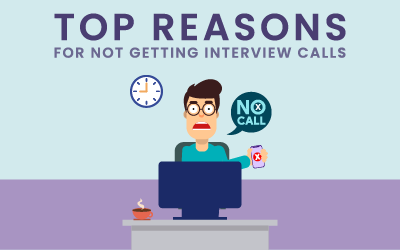
Recruiters spend 6–10 seconds scanning a resume before deciding whether to shortlist or reject it. In today’s competitive job market, especially in India, even small mistakes can cost you interviews.
Many qualified candidates get rejected—not because they lack skills—but because their resume fails to communicate value clearly.
In this guide, we’ll break down the most common resume mistakes in 2026, explain why they lead to rejection, and show you how to fix them.
If you’re serious about getting shortlisted, read this carefully.
1. Using a Generic Resume for Every Job
One of the biggest mistakes candidates make is sending the same resume for every role.
Why it gets rejected:
- Doesn’t match job description
- Lacks relevant keywords
- Fails ATS screening
Fix:
✔ Customize resume for each job
✔ Add job-specific keywords
✔ Highlight relevant achievements
2. Resume Not ATS-Friendly
Most companies use Applicant Tracking Systems (ATS).
If your resume:
- Has too many graphics
- Uses tables improperly
- Has images
- Uses fancy fonts
It may never reach a human recruiter.
Fix:
✔ Use simple formatting
✔ Standard fonts (Calibri, Arial)
✔ Clear headings
✔ Save in PDF (if allowed)
3. Too Long or Too Short Resume
Common Problems:
- 4–5 pages for 3 years of experience
- 1-page resume with no meaningful content
Ideal Length:
- Freshers: 1 page
- 3–10 years experience: 1–2 pages
Recruiters don’t read stories—they scan impact.
4. No Quantified Achievements
Saying:
- Responsible for sales
Is weak.
Saying:
- Increased sales by 32% in 6 months
Is powerful.
Why it matters:
Numbers build credibility.
Fix:
Add:
- Percentages
- Revenue figures
- Growth metrics
- Timeframes
5. Poor Professional Summary
Your summary is the first thing recruiters read.
Weak summary example:
Hardworking and dedicated individual seeking opportunity.
Strong summary example:
Results-driven Sales Manager with 6+ years experience in B2B industrial sales, generating ₹5Cr annual revenue.
6. Irrelevant Information
Including:
- Hobbies unrelated to job
- 10th standard marks (after experience)
- Personal details like siblings, etc
Recruiters don’t need this.
Remove:
- Religion
- Aadhaar number
- Family details
- Passport Number
- Salary expectations (unless asked)
7. Spelling & Grammar Errors
One typo can create a bad impression.
Recruiters assume:
If you can’t proofread your resume, how will you handle client communication?
Fix:
✔ Use Grammarly
✔ Read aloud once
✔ Ask someone to review
8. No Clear Job Title or Career Direction
If your resume doesn’t clearly show:
- What role you want
- What industry you belong to
Recruiters get confused.
Confused resume = rejected resume.
9. Weak LinkedIn Profile or No Online Presence
In 2026, recruiters check LinkedIn immediately.
If:
- Your profile is incomplete
- Experience doesn’t match resume
- No profile photo
It reduces credibility.
10. Using an Unprofessional Email ID
Emails like:
Create a poor first impression.
Use:
firstname.lastname@gmail.com
Bonus: What Recruiters Actually Look For in 10 Seconds
When scanning resumes, recruiters check:
✔ Job title match
✔ Relevant experience
✔ Company background
✔ Skills alignment
✔ Stability
If these are not clear instantly → rejection.
Quick Resume Checklist Before Applying
- Is it ATS-friendly?
- Is it customized for this job?
- Are achievements quantified?
- No spelling mistakes?
- Professional email ID?
- Updated LinkedIn profile?
How KnockingJob.com Helps You Get Shortlisted
At knockingjob.com, we guide job seekers with:
- Resume improvement tips
- Interview preparation insights
- Hiring trend awareness
- Verified job listings
Our mission is simple:
Help candidates get shortlisted faster.
Conclusion
Your resume is not a biography.
It is a marketing document.
In a market where recruiters decide in 10 seconds, clarity, relevance, and impact matter more than design.
Fix these mistakes today—and watch your interview calls increase.