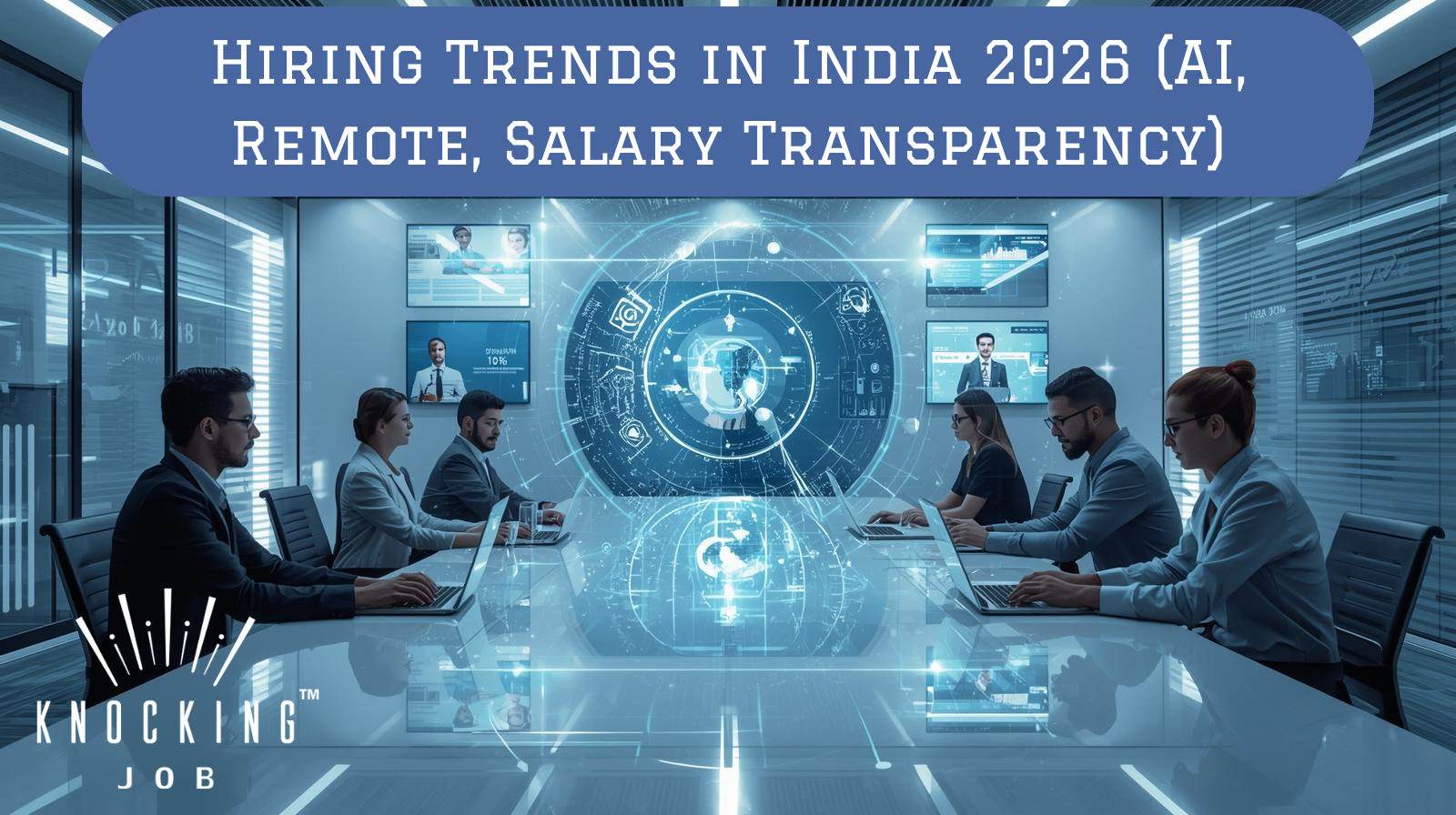
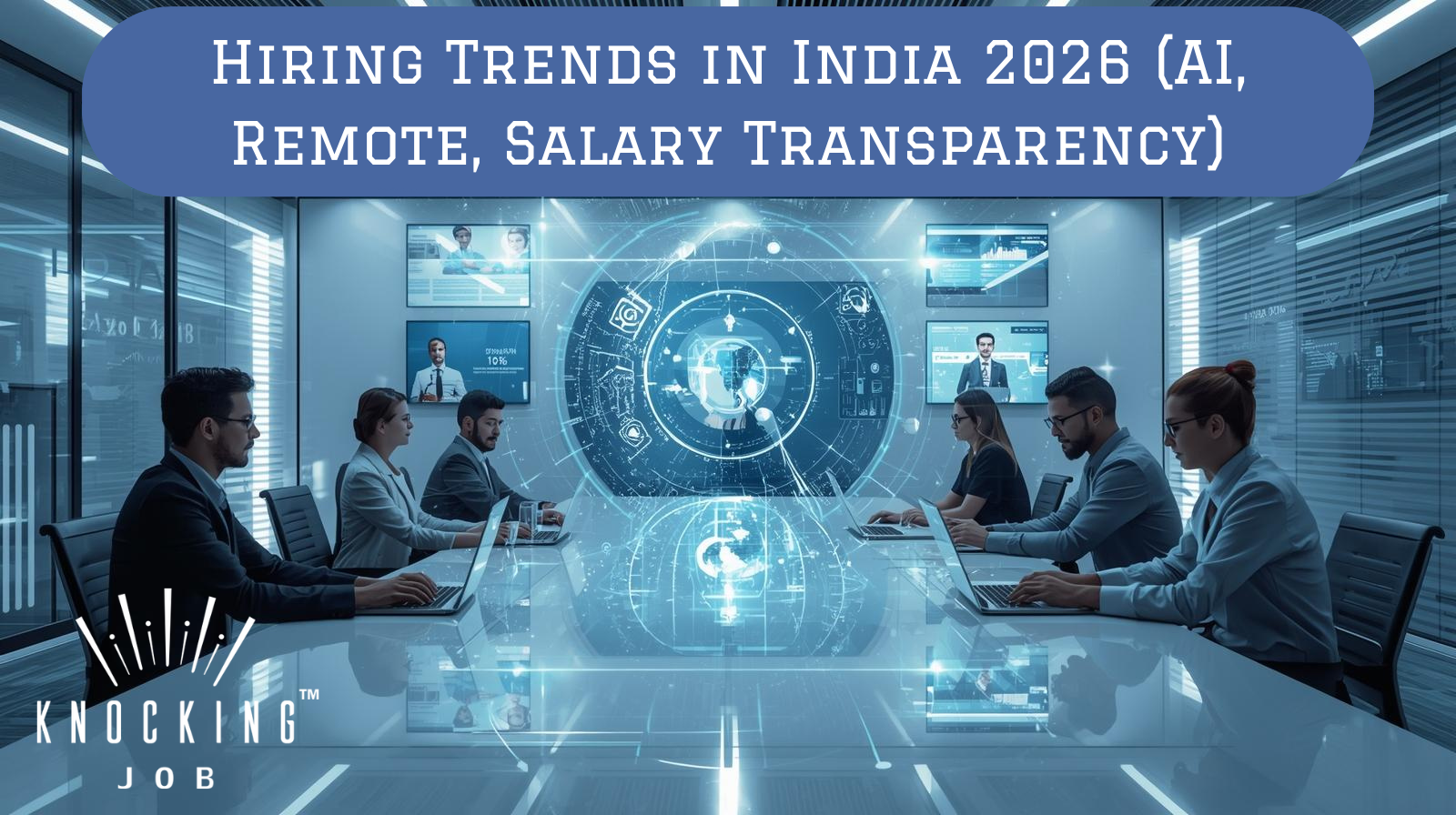
The hiring landscape in India is evolving faster than ever. By 2026, recruitment is no longer just about resumes and interviews—it’s about technology, flexibility, and trust. Artificial Intelligence (AI), remote and hybrid work models, and salary transparency are reshaping how companies hire and how candidates choose employers.
Job seekers who understand these trends early will have a clear advantage, while employers who adapt will win top talent. In this blog, we break down the most important hiring trends in India for 2026 and what they mean for both candidates and recruiters.
1. AI Is Transforming Recruitment in India
AI in Resume Screening
Recruiters now receive thousands of applications for a single role. AI-powered Applicant Tracking Systems (ATS) help companies:
- Scan resumes in seconds
- Match skills with job descriptions
- Eliminate manual shortlisting
Impact on job seekers:
Resumes must be ATS-friendly, keyword-optimized, and clearly structured.
AI-Based Interviews & Assessments
In 2026, many companies are using:
- AI video interviews
- Automated aptitude tests
- Behavioral analysis tools
These tools evaluate communication skills, confidence, and job relevance.
Tip for candidates:
Prepare for structured answers, clarity of thought, and role-specific examples.
Pros & Cons of AI Hiring
Advantages
- Faster hiring process
- Reduced human bias (when used correctly)
- Cost-effective recruitment
Challenges
- Over-filtering of good candidates
- Dependence on keywords
- Limited human judgment
AI is powerful—but not perfect.
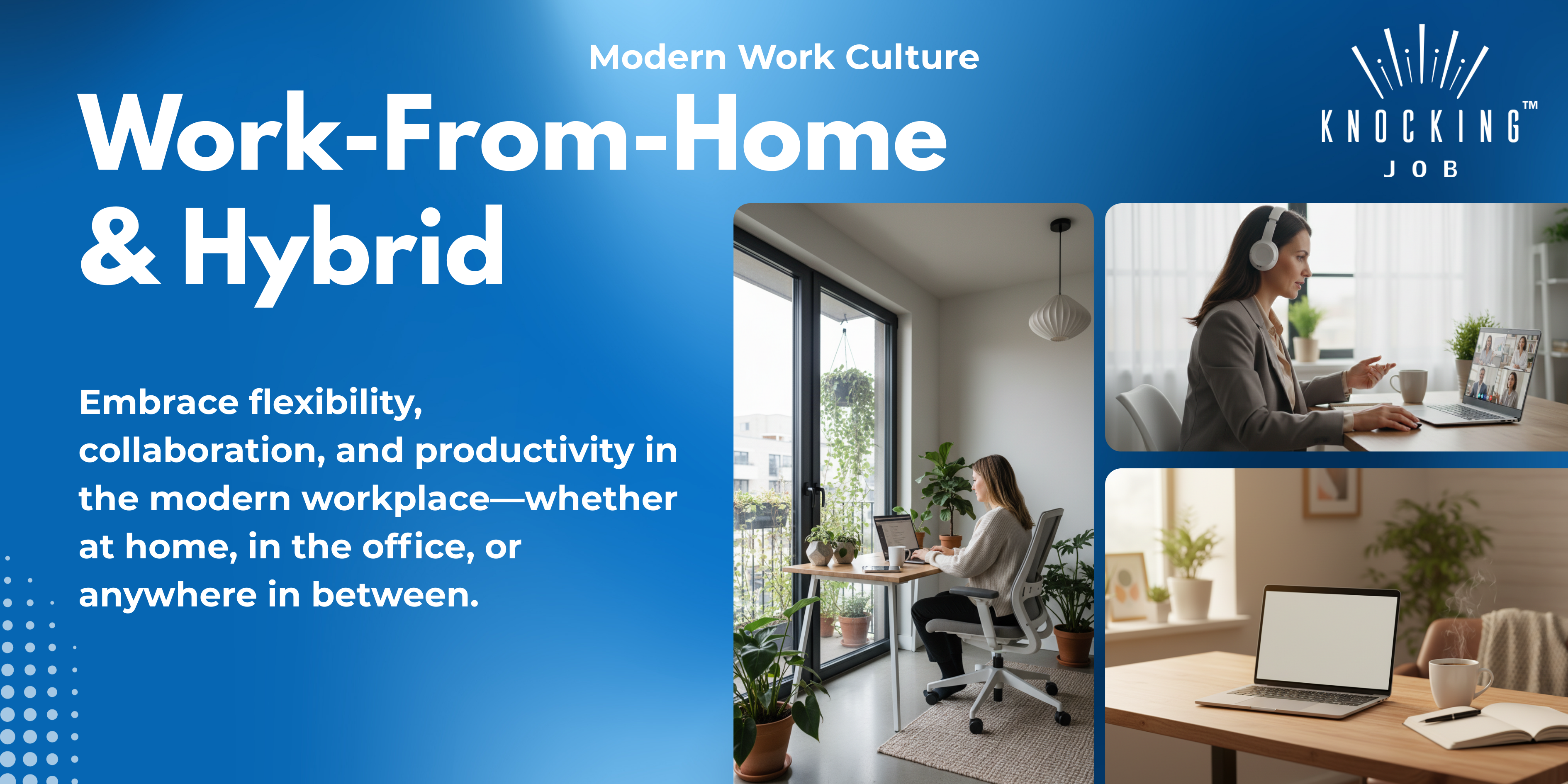
2. Remote & Hybrid Work Is the New Normal
Remote Jobs Are Here to Stay
Post-pandemic, remote work has evolved from a benefit to a standard expectation.
In 2026:
- IT, digital marketing, design, finance, and support roles are increasingly remote
- Companies hire talent across cities and even countries
- Freelance and contract roles are growing rapidly
For job seekers:
Location is no longer a barrier—skills matter more than geography.
Hybrid Work Models Dominate
Many companies now prefer hybrid models, such as:
- 2–3 days office, rest remote
- Flexible work hours
- Output-based performance tracking
Why companies prefer hybrid:
- Better productivity
- Lower office costs
- Higher employee retention
Skills Needed for Remote Jobs
To succeed in remote roles, candidates need:
- Strong communication skills
- Time management
- Self-discipline
- Digital collaboration tools (Zoom, Slack, Jira)
3. Salary Transparency Is Becoming a Hiring Standard
Why Salary Transparency Matters
Job seekers are demanding clarity. In 2026:
- Candidates avoid jobs without salary ranges
- Hidden salaries reduce application rates
- Trust matters more than ever
Companies are realizing that transparency saves time for both sides.
What Salary Transparency Looks Like
- Salary range mentioned in job descriptions
- Clear breakdown of fixed vs variable pay
- Honest discussion during interviews
Result:
Better candidate quality and fewer offer rejections.
Impact on Employers
Companies that disclose salary:
- Attract serious candidates
- Reduce hiring delays
- Build strong employer branding
4. Skill-Based Hiring Over Degree-Based Hiring
Degrees still matter—but skills matter more in 2026.
Recruiters now focus on:
- Practical experience
- Certifications
- Projects and portfolios
- Problem-solving ability
Examples:
- Developers hired based on GitHub projects
- Marketers evaluated on campaign results
- Designers shortlisted via portfolios
5. Faster Hiring & Shorter Notice Expectations
Hiring cycles are shrinking.
In 2026:
- Companies want quick joiners
- Long hiring delays cause talent loss
- Pre-screened talent pools are preferred
For candidates:
Be interview-ready and keep documents updated.
6. Employer Branding & Candidate Experience
Job seekers now research companies deeply.
They check:
- Google reviews
- Glassdoor & AmbitionBox
- LinkedIn employee feedback
Poor hiring behavior damages brand reputation instantly.
Companies that win talent:
- Respect candidates’ time
- Communicate clearly
- Provide feedback
7. Rise of Contract, Gig & Project-Based Hiring
Permanent jobs are no longer the only path.
In 2026:
- Contract roles offer flexibility
- Gig work provides faster income
- Project-based hiring reduces company risk
For professionals:
Multiple income streams are becoming common and accepted.
What Job Seekers Should Do to Stay Ahead in 2026
✔ Update resume for ATS
✔ Learn in-demand skills
✔ Be open to remote & hybrid roles
✔ Ask salary-related questions confidently
✔ Build a strong LinkedIn profile
How KnockingJob.com Aligns With 2026 Hiring Trends
At knockingjob.com, we focus on:
- Transparent job information
- Skill-based hiring insights
- Job seeker education
- Ethical recruitment awareness
Our goal is to prepare candidates not just for jobs—but for the future of work.
Conclusion
Hiring in India in 2026 is smarter, faster, and more transparent—but also more competitive. AI, remote work, and salary clarity are not trends anymore; they are expectations.
Job seekers who adapt will thrive. Employers who evolve will attract the best talent.
The future of hiring is here—and it’s changing everything.